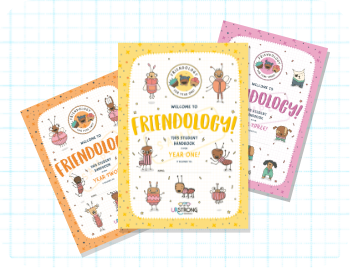
Friendships are the heart of wellbeing. This is something I’ve been saying for nearly 18 years now. When I first created Friendology back in 2009 for my own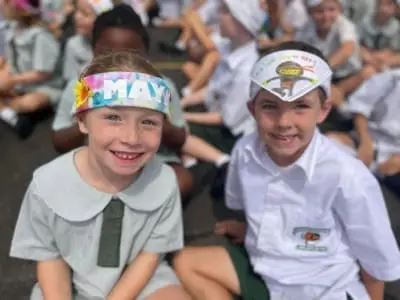 students, I had one simple goal: to give children the skills, language, and confidence to navigate the ups and downs of friendship.
As a teacher, I saw firsthand how much friendships mattered to children – not just to their wellbeing, but to their learning. A tricky friendship moment at recess could completely derail a student’s day, leaving them unable to focus and completely consumed by big feelings. Feeling left-out or rejected or hurt could impact their confidence, concentration, and even willingness to come to school. (Countless students have told me they have not wanted to come to school because of an issue with a friend!) And yet, we weren’t explicitly teaching children how to manage these incredibly important relationships.
Nearly 18 years later, friendship skills are the sole focus at Friendology. That’s why I was so excited to read a new report from Monash University, in collaboration with the International Baccalaureate, called The Science of Belonging (2026). The report brings together research on what helps children feel connected, accepted, safe, and valued at school.
And, so much of it reinforces what we’ve been advocating for since 2009.
Belonging begins with relationships
One of the report’s strongest findings is that positive relationships with teachers and peers are among the most consistently supported factors of school belonging. This is something we’ve always believed at Friendology.
For children, friendships aren’t just a nice-to-have at school. They’re a must-have and woven into nearly every part of their day.
Who will I play with? Where will I sit? Will they include me? What do I do when my friend is mad at me?
These seemingly small moments can feel HUGE to a child. And, when children don’t have the skills to navigate them, their sense of belonging can suffer.
We can’t expect children to feel connected if we don’t teach them how to connect.
Friendship skills need to be taught
The report highlights the importance of social and emotional competencies, including communication, collaboration, emotional regulation, and the ability to navigate relationships. Sound familiar?
These are the very skills we’ve been teaching through Friendology for nearly two decades! Our curriculum gives children practical, kid-friendly strategies to understand healthy friendships, manage conflict, communicate their feelings, establish boundaries, and stand up for themselves…and others.
We teach children that Friendship Fires® (conflict) are a normal part of friendship, and that learning to put those Fires out is an essential life skill. As kids learn at Friendology Schools, Friendship Fact #1: No friendship (or relationship) is perfect. Conflict is normal and they can survive it…when they’re taught how!
A shared language is a game-changer
Another finding that really resonated with me was the importance of having a shared understanding of belonging across a school. The report cautions that without a common language, schools risk delivering disconnected activities rather than creating a coherent approach.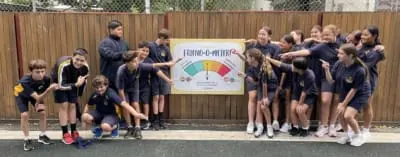
This is precisely why Friendology has always been more than a collection of generic friendship lessons. It’s a language. This was a massive part of creating the curriculum… I needed kid-friendly words, visual tools, and a simple framework that would bring students, educators, and parents together.
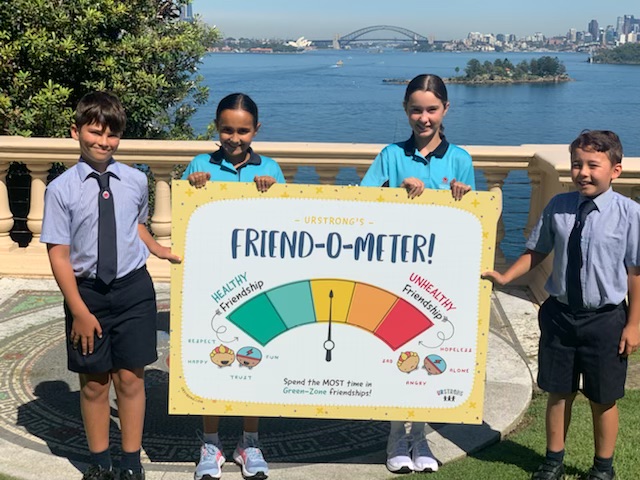
When everyone understands concepts like Friendship Fires®, the Friend-o-Meter, and the Friend-o-Cycle, children receive consistent messages and support. Instead of friendship being something we only talk about when things go wrong, it becomes part of everyday conversations. And, that’s when the magic happens! ✨
Belonging isn’t a one-off activity
The report also emphasises that strengthening belonging requires sustained, whole-school approaches, not just isolated activities or occasional wellbeing initiatives. Exactly!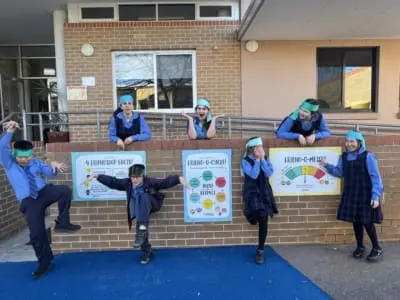
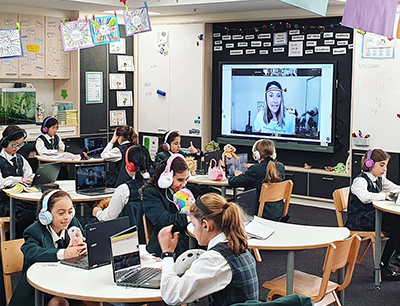
For nearly 18 years, we’ve been working alongside schools to embed friendship skills into their culture. Through our Friendology curriculum, educator training, parent engagement, and student leadership opportunities, we help schools create a consistent approach to supporting children’s relationships.
Among my favourite examples are Great Ryrie Primary School in Melbourne and Northern Beaches Christian School in Sydney. Both of these schools, in their own unique ways, have brought Friendology to life and embedded it in their school culture.
Warmth, kindness, connection, and belonging are everywhere. On the playground, in the classrooms, at the bus stop. It’s not just something they teach. It’s who they are. That’s exactly what it means to be a Friendology School.
Nearly 18 years of putting research into practice
While it’s exciting to see new research reinforcing the importance of relationships and belonging, this isn’t a new direction for us. Since 2009, we’ve been dedicated to translating research into practical, developmentally appropriate friendship lessons for children.
Our approach draws on established research in social-emotional learning, positive psychology, and children’s relationships. We’ve also continued to build our own evidence base, including research conducted in collaboration with Simon Fraser University in Canada, along with school-based assessments, case studies, and educator feedback.
Our evidence-based program has been recognised through education and wellbeing initiatives, including Australia’s Be You Programs Directory and state education department wellbeing frameworks such as Victoria’s Mental Health Fund.
But, perhaps what makes me proudest, is that we are constantly collecting data directly from the students. We’re not just reading reports or academic papers that conduct studies on small samples, we’re in schools around the world and working with tens of thousands of kids each year. In addition to endless conversations, students also share with us (anonymously) what’s really going on in their friendships prior to us coming to their school. They truly inform everything we do and I have always promised them we will never stop listening to them. They are my teacher.
The research is clear. Relationships matter.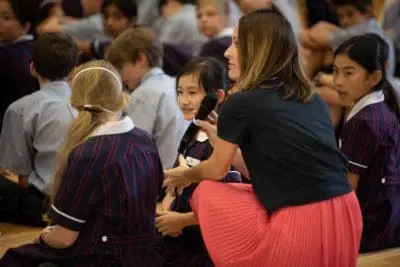
The Science of Belonging report is an important reminder that belonging doesn’t just happen. It needs to be intentionally nurtured through positive relationships, inclusive environments, meaningful opportunities for connection, and the skills to navigate their social world.
For me, this report reinforces why we have devoted our lives to Friendology and why this work continues to matter so much. When we teach children how to build and maintain healthy, feel-good friendships, we’re doing more than helping them navigate the playground… We’re giving them skills for life.
That’s why I’ll never stop saying: Friendships are the heart of wellbeing.
Written by: Dana Kerford
Founder, Friendology
Explore the research and evidence:
- The Science of Belonging (2026) — Kelly-Ann Allen and Shiqi Dong, Monash University, in collaboration with the International Baccalaureate.
- What is the Evidence-Base for Friendology/URSTRONG?
- Friendology Schools: Case Studies & Spotlights
- Community Partnerships: Maroondah, VIC
- Community Partnerships: Catholic Education Western Australia
- The Science Behind Children’s Friendships
- Articles & Press Reports